


Photography
This industry, by invading the territories of art, has become art’s most mortal enemy – Charles Baudelaire
As photography was developing in the 1850s, the question of whether or not it was art was very controversial. Critics scoffed that a machine could never rival a painter’s hand. These days, we know that the original question was the wrong one: photography was never a contest between art and science. It was always both.
While photographers these days spend less time in dark rooms with Silver Chloride, or Sodium Thiosulphate; Science and Maths are still key to a good photo. Behind every striking image sits a stack of quantitative decisions, whether or not the photographer thinks of them that way:
- Experimentation: Trying different angles, exposures or focal lengths to capture the perfect snap
- Geometry: The rule of thirds is a common compositional tool, but there are also “leading lines” to draw the viewers eye to the main subject. Finding symmetry or patterns and ways to break them can make or break your photos.
- Exposure Triangle: How do you make the image crisp? How do you take a long exposure without over saturating the image? How do you take a photo in low light conditions? Understanding how light interacts with the camera under different conditions and settings allows better control and better results
This blend of art and science thus allows the photographer to take the ordinary, and render it extraordinary. To make people see familiar things in new ways. To build art from the everyday.
Two Sigma
What does this have to do with Two Sigma? Everything!
Two Sigma is a financial sciences company. We use science and code to extract signal from an enormous amount of data. But data alone doesn’t make insight — it must be paired with creative judgment too. Photography turns out to be a surprisingly good model for how those two modes of thinking actually work together.
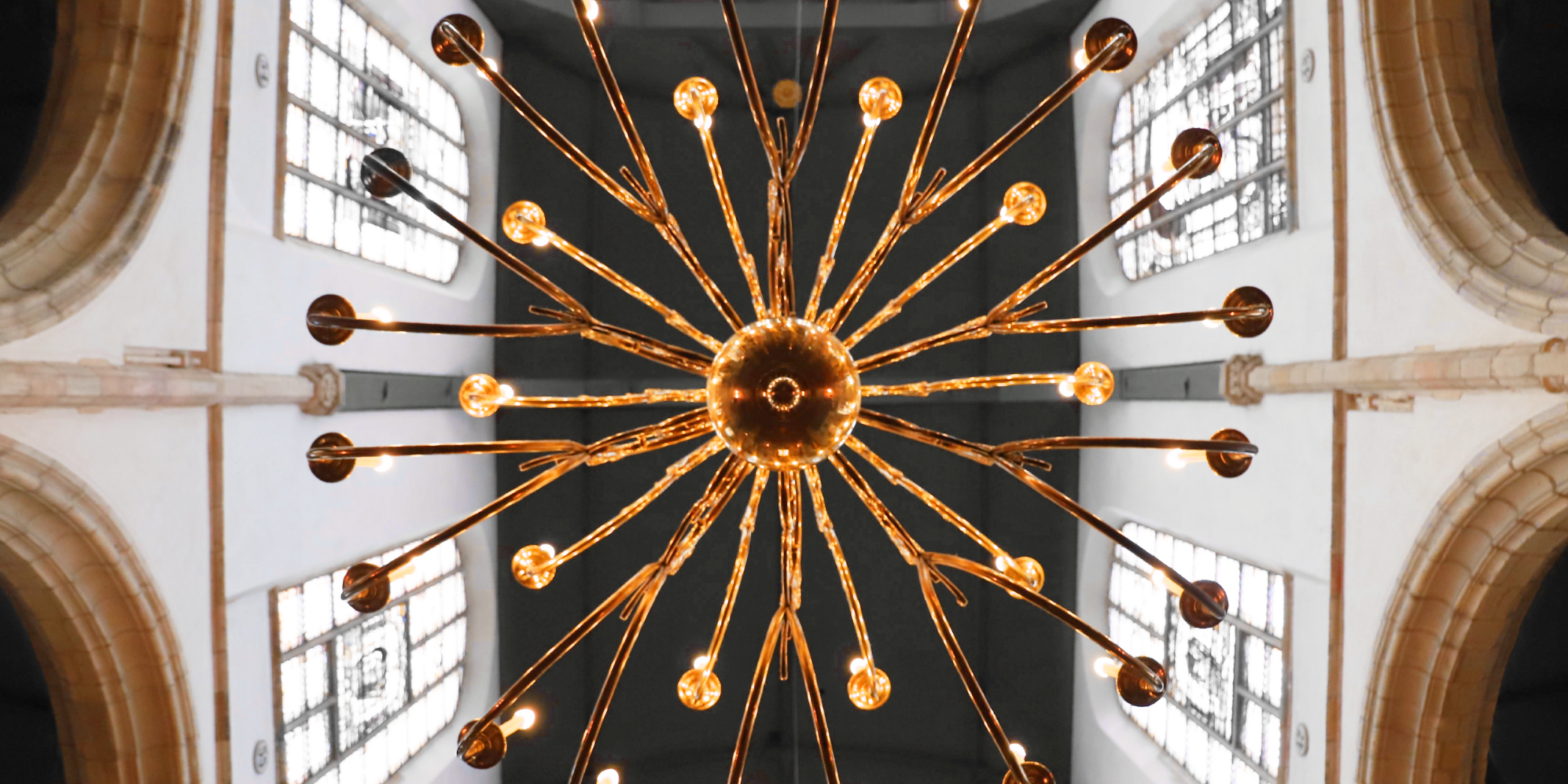
We recently ran an in-house photography competition, titled “Catch Some Rays” to celebrate the arrival of summer. Here are some entries from that competition that show this blend of art and science.
Patterns In Plain Sight

For Two Sigma, finding value means finding patterns. And then using those patterns to predict the future. If you can find a pattern that no one else has, then you can take a great photo. Similarly, if you can find a new pattern in some data, then you can find value.
A New Angle
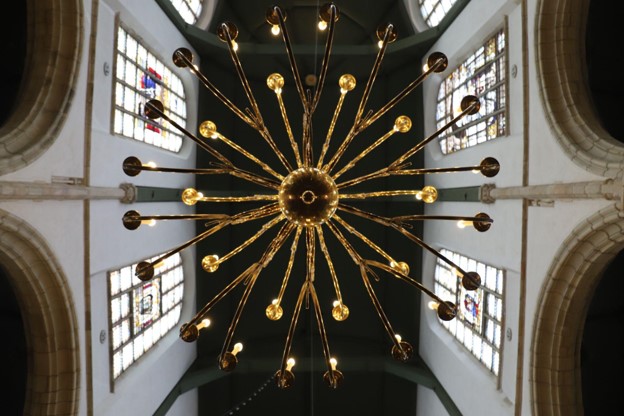
An interesting photo can be created by looking at something familiar from a different perspective. In just the same way, looking at data from a different perspective can expose value that others have missed.
Planning (or Luck!)

Great photos require being in the right place and the right time. Sometimes this requires a bit of luck. But you can minimize the need for luck by planning and preparing. Two Sigma does this constantly. Whether it’s being alert to upcoming elections, or asking “what if …”, Two Sigma is always trying to be prepared for the future.
And Code?
Personally, I don’t work much with data. I write code that allows the modelers to work with data. Is there art in my job? Absolutely!
A coder has to balance a vast array of competing requirements. Not just “Does it do what it is meant to”, but also, is it readable? Debuggable? Extensible? Secure? Easy to use? Easy to understand? Performant? And so on.
Balancing these (sometimes contradictory) requirements requires knowledge, understanding of users and judgement. In other words: art!
I hope this has given you some insight into Two Sigma, and the blend of art and science that goes on here every day. Just like photography — it is always a bit of both!
__________________________________________________________________________________________________________________________________
Timothy Price is an engineer at Two Sigma based in London. Prior to joining us, Timothy was a technical leader at Metaswitch Networks, where he worked across a range of products and platforms. Before that, he interned at Broadcom. Timothy holds a degree in Mathematics from Cambridge University.
As an avid photography lover, Timothy is a member of our employee-led photography interest group and organizes firm-wide photography contests. Outside of work, Timothy also enjoys looking after 3 small children, and not getting enough sleep because of them…